
NAOKO TOSA: Costume Art from Kyoto
at the Japan Society in New York
~Using fashion and dance based on Professor Tosa’s art expressing Japanese beauty and culture to showcase Japanese traditions and culture to New York citizens~
Professor Naoko Tosa of the Comprehensive Disaster Prevention Research Group at Kyoto University’s Disaster Prevention Research Institute has held various events, lectures, and fashion shows both domestically and internationally using Tosa Art, represented by “Sound of Ikebana,” promoting the Japanese beauty and culture expressed by Tosa Art worldwide. In recent years, she has also been expanding “Sound of Ikebana” into fashion. As an extension of this work, she has secured an opportunity to present the Tosa Fashion Dance Performance—a fusion of fashion and dance—at the Japan Society in New York. The Japan Society actively introduces Japanese culture to local New Yorkers. This event, planned and executed by Professor Tosa, will take place at the Japan Society on February 9, 2026, showcasing Tosa Art and the Japanese traditions and culture it embodies to the people of New York.
Accordingly, we will hold a press conference as detailed below. We encourage your enthusiastic participation.
Advance registration is required for this press conference. ※ Registration deadline: Wednesday, December 16, 6:00 PM
Note
Date and Time:
Friday, December 17, 2025,
2:00 PM – 3:00 PM
Location:
Saka Memorial Hall, Kyoto University Main Campus
No. 41 on the Kyoto University Main Campus Access Map below.
https://www.kyoto-u.ac.jp/ja/access/campus/yoshida/map6r-y
Attendees:
Professor Naoko Tosa
Japan Society (planned online participation)
Kyoto University Original, Department Head Kenta Kawamura
Overview
Professor Naoko Tosa of Kyoto University’s Disaster Prevention Research Institute has promoted Japanese beauty and culture both domestically and internationally through his “Tosa Art” creations. He has also researched applying art to disaster prevention, leveraging the characteristic of “Tosa Art” to strengthen people’s resilience.
Extending this work, he has broadened his activities by creating and exhibiting art fashion using Tosa Art as design, including the creation and exhibition of disaster prevention fashion with built-in protective functions.
As a new development, he has planned an event merging fashion and dance performance. This will be presented as a solo show at the Japan Society in New York, an organization dedicated to promoting Japanese culture in the United States, primarily in New York City.
Title: Naoko Tosa: Costume Art from Kyoto
Location: Japan Society, New York, NY 10017, United States
Date & Time: Monday, February 9, 2026, 7:00 PM – 8:00 PM
- Event Background and Overview
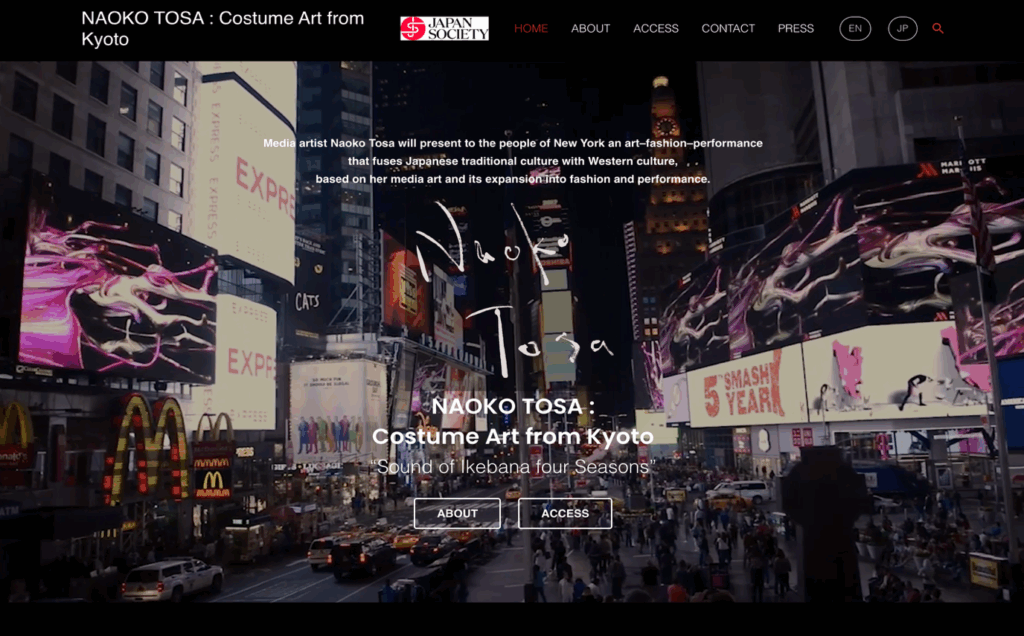
Professor Tosa has created digital art using a unique approach: extracting the beauty inherent in nature through cutting-edge technology and transforming it into artworks. Represented by “Sound of Ikebana,” Tosa Art is intrinsically connected to natural phenomena. Consequently, it maintains a close relationship with traditional Japanese arts like ikebana. Internationally, it is acclaimed for “expressing Japanese beauty,” while Kyoto’s traditional ikebana schools have also praised it for “expressing ikebana forms through contemporary methods.” Sound of Ikebana (Spring) was showed at “Midnight moment” in Times Square on April 2017.
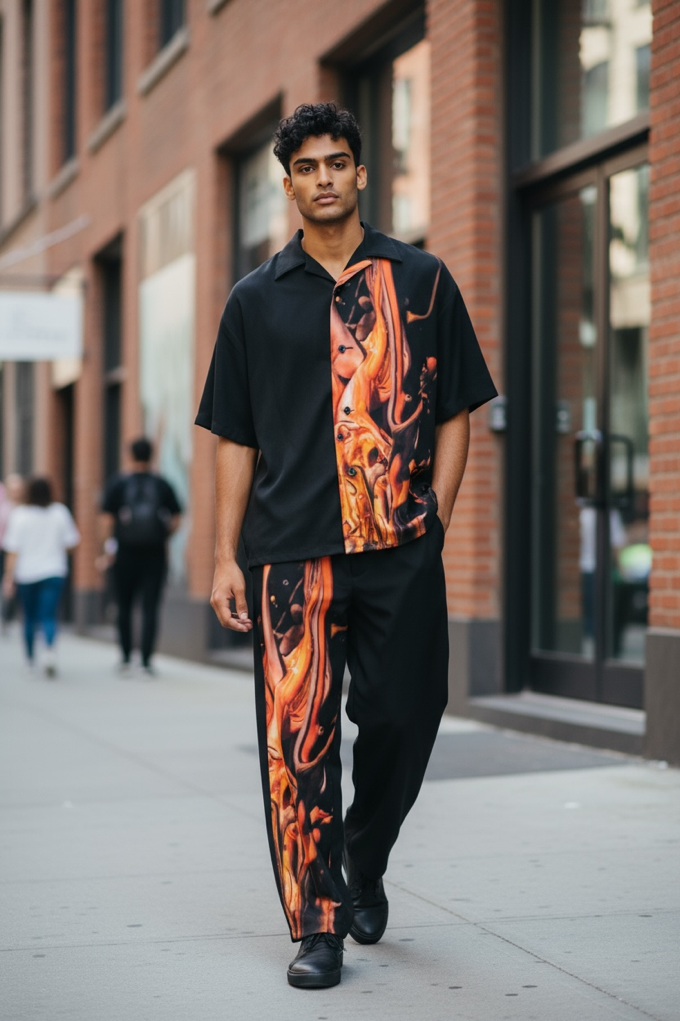
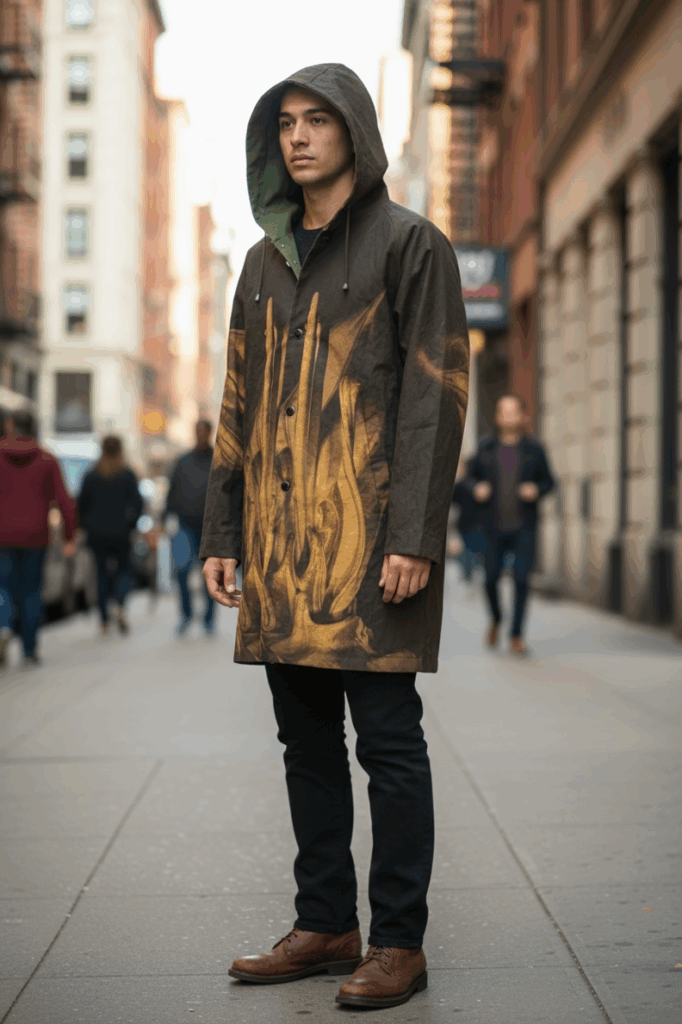
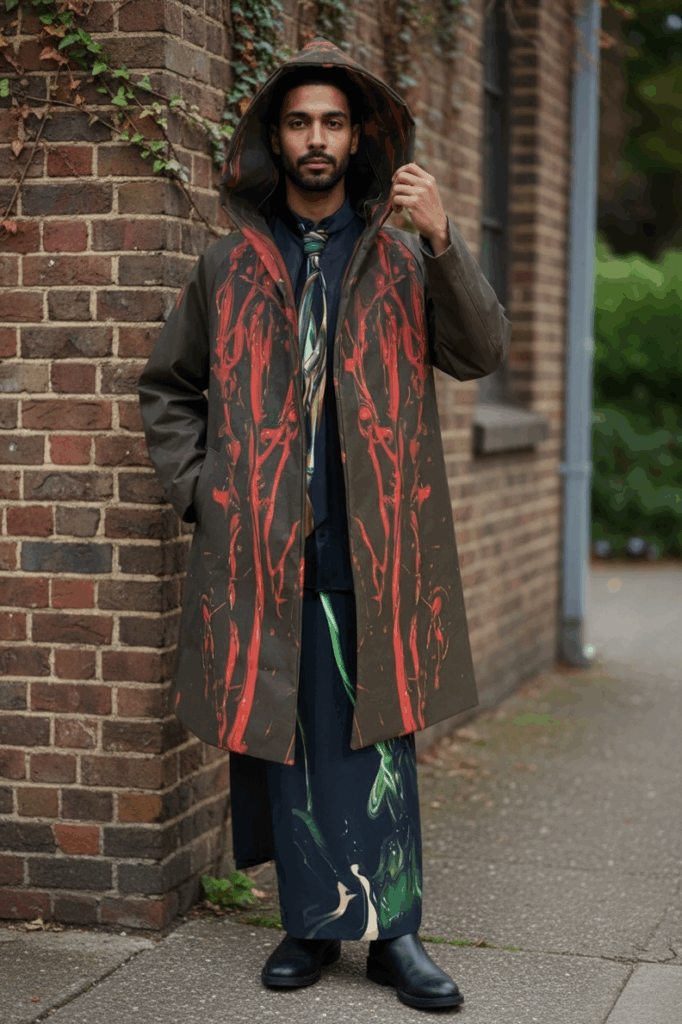
Professor Tosa has exhibited Tosa Art at numerous art exhibitions and gallery shows both domestically and internationally. He has also actively engaged in activities to help people understand the relationship between Tosa Art and Japanese culture and beauty through lectures and other events. Recently, he has developed an interest in applying his art to fashion. Based on collaborative research with companies, he has established a fashion production environment within his laboratory. The resulting art fashion has been showcased at New York Fashion Week, one of the world’s four major fashion weeks, expanding the scope of his activities. This fashion includes disaster prevention fashion, developed using Tosa Art as a design concept and incorporating disaster prevention functions. He has undertaken the unique endeavor of presenting this disaster prevention fashion at fashion shows.
Based on these activities, Japan Society, a New York-based nonprofit organization dedicated to introducing Japanese culture to the United States, approached Professor Tosa with a request to plan and execute an event merging fashion and dance performance. This event will be presented as a one-man show planned and executed by Professor Tosa.
- Event Details
Professor Tosa has been engaged in activities aimed at appealing to people about Japanese beauty and culture through his art via a wider range of media. Creating and exhibiting art fashion based on Tosa Art is part of these activities, serving to promote Japanese beauty and culture. Additionally, he has undertaken the unique endeavor of developing disaster-resistant fashion using Tosa Art designs, demonstrating how art can contribute to disaster prevention. This time, he aims to add dance to this mix, seeking to appeal to American audiences through an event that integrates Japanese beauty and culture via fashion and dance performance.
Japan possesses four distinct seasons, each with its own unique charm, and people have developed rich Japanese beauty and culture corresponding to each season. This event expresses Japan’s four seasons through fashion and dance performance. Model-dancers wearing art fashion suited to each season will perform dances expressing Japanese culture, portraying the changing relationship between the Japanese people and the seasons. Furthermore, the performances will express fusion not only with Japanese culture, but also with closely related Asian cultures, Western cultures, and others.
Here is a brief introduction to the content of each seasonal performance.
Spring: The Radiance of Life
Spring is the season when life is born and shines brightly. Across cultures, people express their love for this season through flowers. Models adorned in fashion featuring designs inspired by Japan’s iconic cherry blossoms and the iris beloved in Europe and America will present a performance.


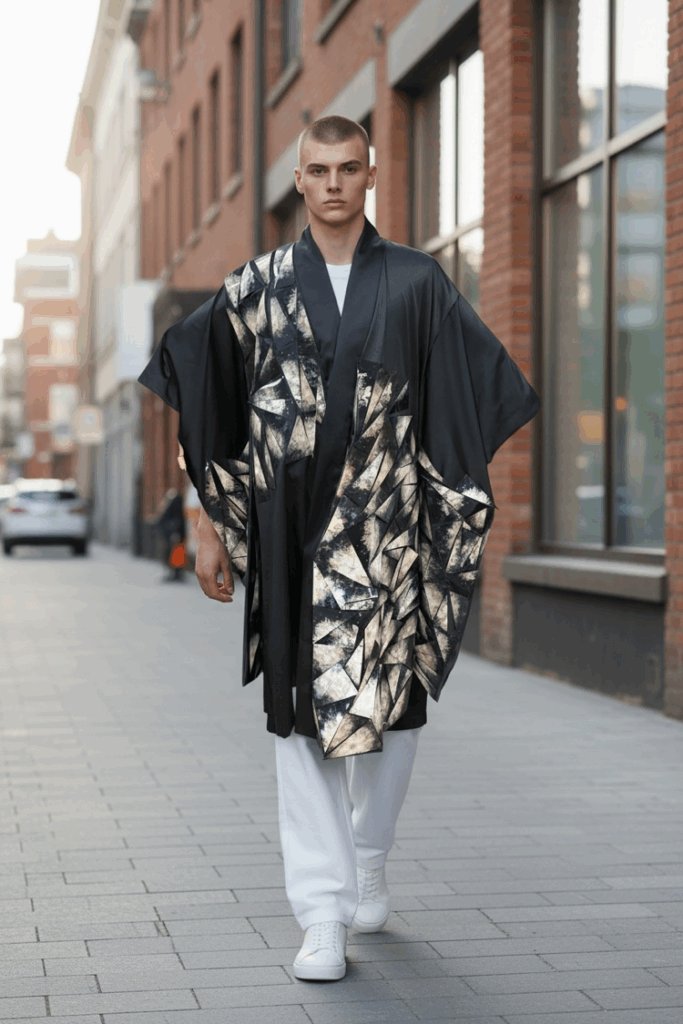

Summer: Prayers to Ancestors
Summer is the season when people entrust their thoughts for their gods and ancestors to prayer, a practice shared by people across cultures. Japanese prayer is expressed through the Gion Festival, while Western prayer is conveyed through an homage to Martha Graham’s dance.
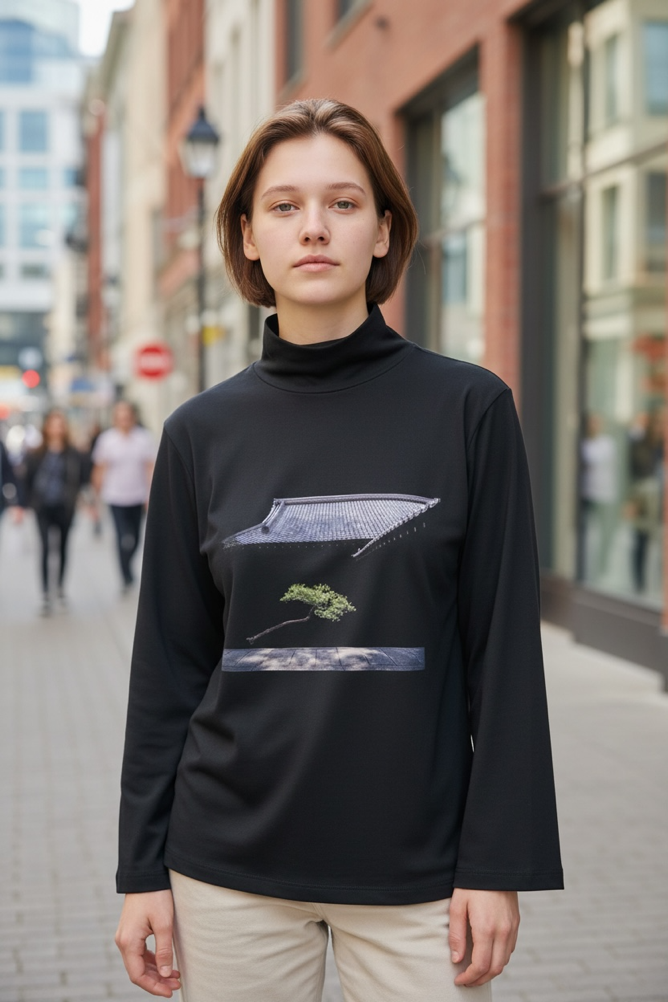
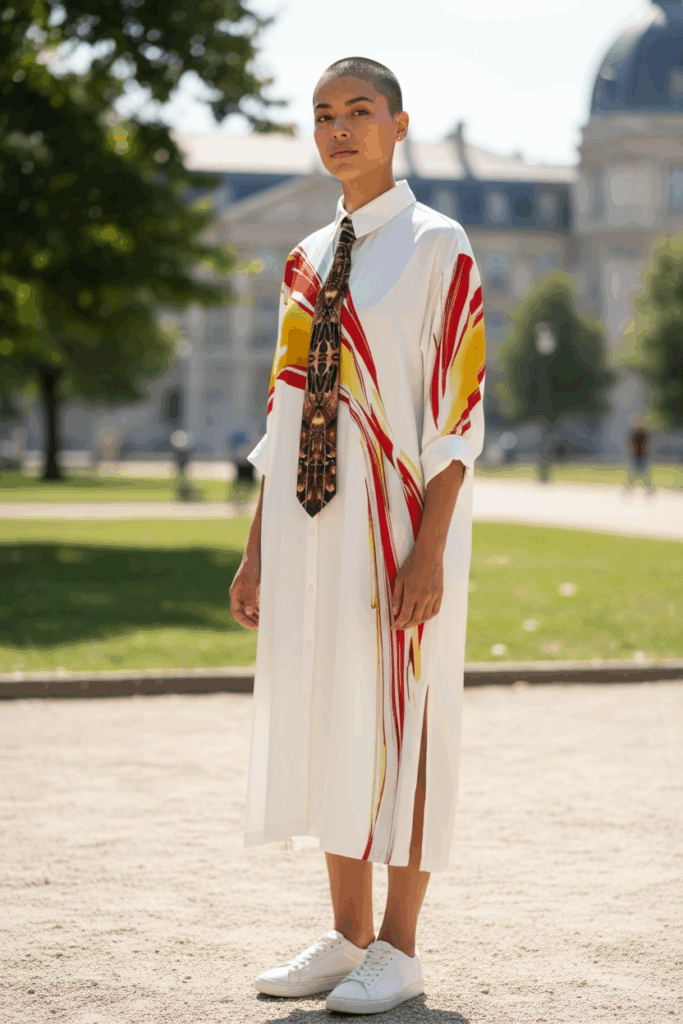
Autumn: Celebration of the Harvest
Autumn is the season to celebrate the fruits of people’s labor. Here, this is expressed through West Asian dance and Japanese hand clapping. The Japanese hand clapping evolves into Slavic dance rhythms, representing New York’s melting pot of races and the crossing of cultural boundaries. Frames of animation are printed directly onto the dress.
When the dancer moves and the strobe lights flash, the images come to life as animation.
Please enjoy the world’s first animated dress fashion experience.
Winter: Memory of Battle
Winter is the season to recall past battles and transform them into prayers for peace. The scene depicting the death of Atsumori, a representative moment from The Tale of the Heike depicting the Genpei War, is performed. Similar tales exist across East and West, evoking in people a sense of melancholy alongside a longing for peace. Furthermore, since the battle against nature is also a significant theme in modern times, the models wear fashion with disaster prevention functions.

- Japan Society
Japan Society is a non-profit organization in the United States, established in 1907. Its purpose is to strengthen ties between the people of Japan and the United States, fostering mutual understanding, appreciation, and cooperation. The Society’s programs provide opportunities to access information about Japan, experience Japanese culture, and foster sustained, open dialogue on issues vital to the United States, Japan, and East Asia. To achieve this, Japan Society hosts over 100 events annually across visual arts, business and policy, and education.
The Japan Society building is located near the United Nations Headquarters in Manhattan, New York City. It hosts performances such as theater, exhibitions, film screenings, lectures, conferences, courses, seminars, symposiums, and workshops.